

Our activities
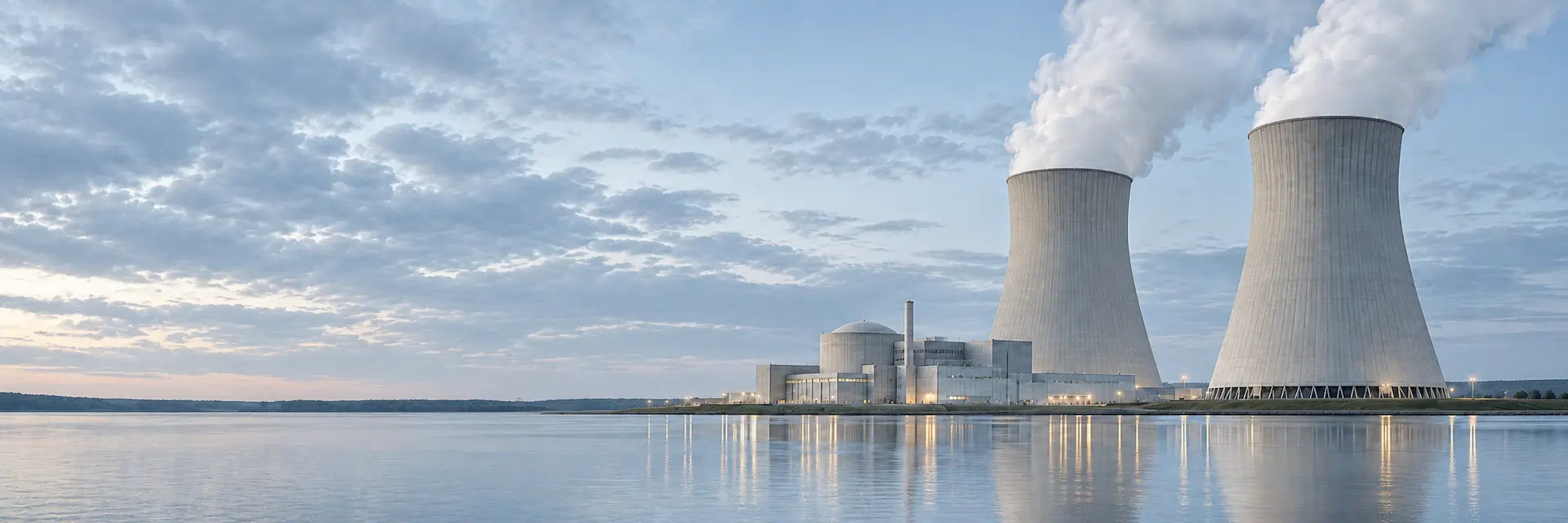
Power plant project with advanced reactors
It is a Generation IV reactor technology that uses liquid lead as a coolant and works on the basis of fast neutrons. The biggest advantage of this reactor is the ability to reuse spent nuclear fuel from existing power plants multiple times.


Power plant project with advanced reactors
The task of Newvys is to deploy a nuclear power plant using advanced modular nuclear reactors (AMRs) of the LFR-AS-200 (Lead-cooled Fast Reactor) type. It is a Generation IV reactor technology that uses liquid lead as a coolant and works on the basis of fast neutrons. The biggest advantage of this reactor is the ability to reuse spent nuclear fuel from existing power plants multiple times.
The Slovak Republic is preparing to enter a new era of secure, clean and sustainable energy. In June 2025, JAVYS, a. s., together with the technology company newcleo, created a new joint venture called the Center for the Development of the Use of Spent Nuclear Fuel (CVP), later renamed Newvys.
Revolutionary AMR technology and fuel recycling
The objective of Newvys is to deploy a nuclear power plant based on advanced modular nuclear reactors (AMRs), specifically the LFR-AS-200 (Lead-cooled Fast Reactor) type. This Generation IV reactor technology uses liquid lead as a coolant and operates with a fast neutron spectrum. One of the key advantages of this reactor is the ability to reuse spent nuclear fuel from existing power plants multiple times and close the nuclear fuel cycle.
Location and scope of the project
The new nuclear power plant is planned for the V1 Nuclear Power Plant site in Jaslovské Bohunice, where the former V1 units are currently undergoing decommissioning. This locality is well suited thanks to the existing infrastructure and experienced staff in the region. The project currently aims at the construction of one to four units with a total installed capacity up to 800 MWe.
Current phase and next steps
The project is currently in its first phase of development – the feasibility study. Following its completion, planned for the first half of 2027, the results will provide the technical and economic basis for decisions on the project's further development, including its scope, schedule and investment requirements.
If successfully implemented, the project could provide Slovakia with a stable source of low-carbon electricity, contribute to closing the nuclear fuel cycle and reduce the country's dependence on fresh uranium supplies. At the same time, the ever-growing energy requirements of Slovak industry could be covered, which is a basic prerequisite for the necessary transformation of Slovakia into a knowledge-based economy with high added value.
Opportunities
- Slovakia can stand at the forefront of advanced nuclear technology development by both closing nuclear fuel cycle as well as deploying advanced Generation IV reactor technology.
- Opportunities for Slovak academic sector and industry, boosting economic growth, leading to additional investments and attracting the younger generation into working in the nuclear industry.
- Unique opportunity to redevelop a decommissioned nuclear site, creating an advanced nuclear technology centre in the heart of Europe.
- First-mover advantage – experience gained can make Slovakia one of the global leaders in advanced nuclear technology.
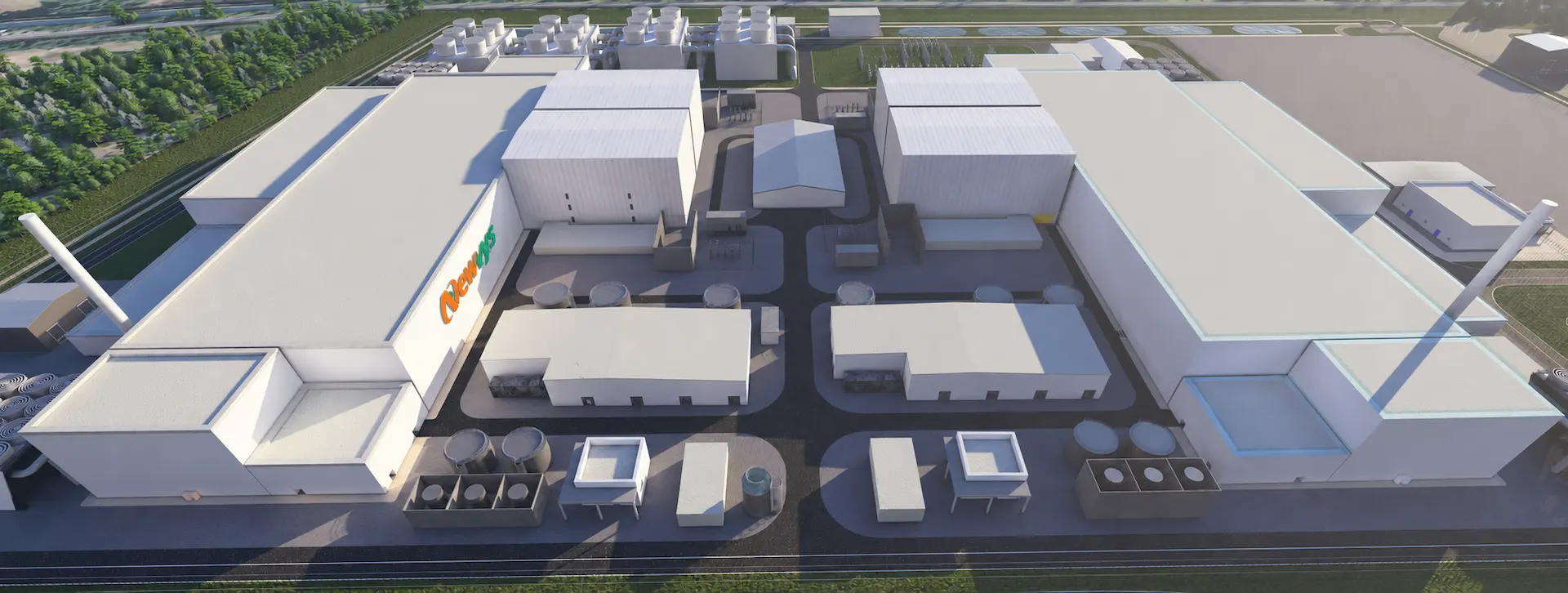
MOX Fuel: Towards a Closed Nuclear Fuel Cycle
Spent nuclear fuel (SNF) still contains significant quantities of uranium and plutonium that can be recovered and reused for energy production. Recycling these materials can improve the utilisation of nuclear resources, reduce the need for fresh uranium and support a transition from an open fuel cycle, where spent fuel is stored pending final disposal, towards a closed fuel cycle, where valuable nuclear materials are recovered and returned to use.

MOX Fuel: Towards a Closed Nuclear Fuel Cycle
Spent nuclear fuel as a resource
Spent nuclear fuel (SNF) still contains significant quantities of uranium and plutonium that can be recovered and reused for energy production. Recycling these materials can improve the utilisation of nuclear resources, reduce the need for fresh uranium and support a transition from an open fuel cycle, where spent fuel is stored pending final disposal, towards a closed fuel cycle, where valuable nuclear materials are recovered and returned to use.
What is MOX fuel?
MOX (mixed oxide) fuel is made primarily from a mixture of plutonium dioxide (PuO₂) and uranium dioxide (UO₂). The plutonium is recovered from spent nuclear fuel through reprocessing, while the uranium component may come from reprocessed, depleted or natural uranium, depending on the selected fuel-cycle strategy.
During reprocessing, reusable uranium and plutonium are separated from fission products and other material streams. The recovered plutonium is then blended with uranium and fabricated into new MOX fuel assemblies.
MOX fuel therefore provides a practical way of returning valuable materials from spent nuclear fuel back into the fuel cycle and using them to produce additional energy.
Why recycle nuclear fuel?
Combining spent fuel reprocessing, MOX fuel fabrication and advanced fast reactors offers several important benefits:
- More efficient use of nuclear materials: Uranium and plutonium recovered from spent fuel can be reused for further energy production rather than being treated solely as material destined for disposal.
- Multiple recycling: Fast-spectrum reactors such as the LFR-AS-200 can enable repeated recycling of nuclear materials, allowing substantially more of their energy potential to be utilised.
- Reduced demand for fresh uranium: Reusing existing nuclear materials can lower future requirements for newly mined, converted and enriched uranium.
- Optimised radioactive waste management: Reprocessing separates reusable nuclear materials from waste streams and can reduce the quantity of long-lived actinides ultimately requiring geological disposal.
- Enhanced energy security: Greater use of nuclear materials already available within the fuel cycle can reduce dependence on external supplies of fresh nuclear fuel and raw materials.
Potential for Slovakia
Slovakia currently operates its nuclear power plants within an open fuel cycle. After irradiation in VVER-440 reactors, spent fuel is placed in interim storage pending its future management and eventual geological disposal.
However, this spent fuel represents a potential strategic energy resource. The proposed deployment of LFR-AS-200 lead-cooled fast reactors could provide a pathway towards progressively closing the Slovak nuclear fuel cycle.
Under this approach, spent fuel from the existing VVER-440 fleet could be reprocessed and the recovered nuclear materials used to produce MOX fuel for LFR-AS-200 reactors. Importantly, the process would not necessarily end after a single use: spent LFR fuel could subsequently be reprocessed and recycled again, establishing a repeated recycling loop and extracting considerably more energy from the original nuclear material.
For Slovakia, such a fuel-cycle strategy could turn existing spent nuclear fuel inventories into a long-term strategic energy resource, while reducing future demand for fresh uranium, strengthening energy security and supporting more sustainable management of nuclear materials and radioactive waste.

Reactor LFR-AS-200
Nuclear energy is undergoing a significant transformation. One of the most promising solutions is lead-cooled fast reactor technology (LFRs), which combine inherent safety features, high efficiency and flexibility of use. LFRs belong to the group of state-of-the-art Generation IV advanced modular reactors (AMRs).

Reactor LFR-AS-200
Lead-cooled fast reactors: the future of nuclear power
Nuclear energy is undergoing a significant transformation. One of the most promising solutions is lead-cooled fast reactor technology (LFRs), which combine inherent safety features, high efficiency and flexibility of use. LFRs belong to the group of state-of-the-art Generation IV fast modular reactors (AMRs).
These reactors use a modular design, are suitable for serial production, which significantly reduces costs and construction time. Unlike conventional nuclear power plants, these are facilities whose components can be manufactured in factories and then transported to the installation site.
A key element of the LFR technology is the use of liquid lead as a coolant. Lead has unique physical properties that significantly increase reactor safety. For example, it allows operation at atmospheric pressure thanks to lead’s high boiling point (1,749 °C), eliminating the need for massive pressure vessels. At the same time, it is chemically inert in relation to water and air, which reduces the risk of accidents and simplifies the entire cooling system.
Another important advantage of LFRs is their high thermodynamic efficiency compared to pressurised water reactors, such as VVER-440, which are currently operated in Slovakia. This brings more efficient use of nuclear fuel and the potential to reduce production costs. Finally, operation at high temperatures (420-530 °C) enables not only electricity generation, but potentially also various industrial applications, such as district/industrial heat supply or hydrogen production.
From the point of view of safety, Generation IV reactors represent a fundamental shift. In addition to active safety features, they also use passive safety systems that operate on physical principles without the need for human intervention.
Reactor LFR-AS-200
As part of the upcoming project in Jaslovské Bohunice, advanced modular nuclear reactors of the LFR-AS-200 type with an output of 200 MWe from newcleo are planned to be used. When developing the reactor design, the company has built an extensive portfolio of international patents protecting its key design features. This type of reactor would use reprocessed spent nuclear fuel from Slovak VVER-440 nuclear power plants.
Lead-cooled fast reactors represent one of the most promising ways to ensure a stable, low-emission and safe source of energy. Combined with serial production and flexible use, they can play a key role in the future energy mix, especially in times of growing energy demand and pressure to decarbonise.
